A Guide to Clearer and More Comfortable Driving
Driving at night can be challenging because of reduced visibility, bright headlights, streetlights, reflections, and changing light conditions. Night driving sunglasses are designed to make the driving experience more comfortable by reducing certain sources of glare and visual discomfort. Choosing the right pair and using them appropriately can be a useful addition to a driver's overall approach to safer nighttime travel.
One of the biggest difficulties during nighttime driving is glare from approaching vehicles. Bright headlights, particularly high-intensity lights, can temporarily make it harder to see the road clearly. Specialized night-driving eyewear may help reduce distracting glare and make bright light sources feel less harsh, although it cannot eliminate glare completely.
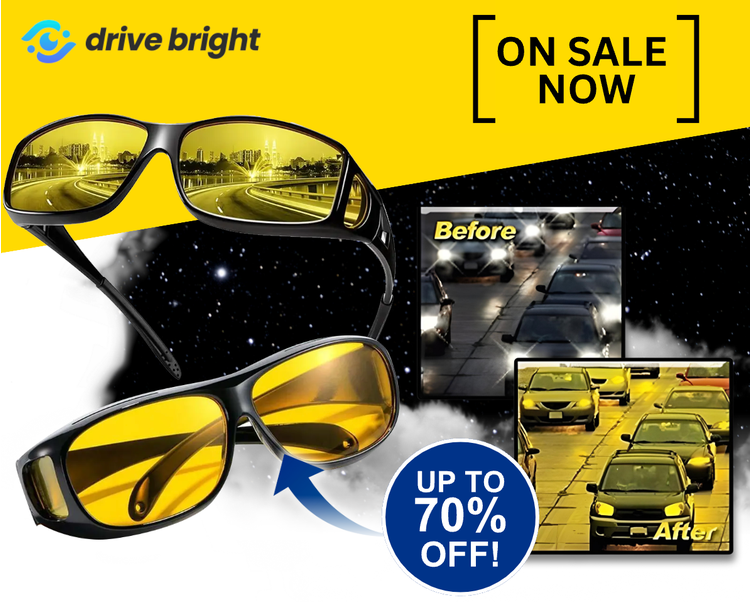
Unlike ordinary sunglasses designed for bright daytime conditions, night-driving glasses are generally made with lighter lenses that allow more light to reach the eyes. Very dark lenses should be avoided at night because they can further reduce visibility. Yellow or amber-tinted lenses are commonly marketed for nighttime driving because they may improve visual comfort for some people, but their effectiveness can vary depending on the individual and the specific driving conditions.
Reflections can also make nighttime driving uncomfortable, especially on wet roads. Water on the road surface can reflect headlights and streetlights, creating additional visual distractions. Some night-driving glasses are available with anti-reflective coatings that are intended to reduce unwanted reflections on the lenses, helping maintain a clearer view through the glasses.
Comfort is another important factor when choosing night-driving sunglasses. Drivers may wear them for extended periods, so the frame should fit securely without creating excessive pressure around the nose, ears, or temples. Lightweight materials, comfortable nose pads, and a suitable frame size can make a noticeable difference during longer journeys.
It is also important to understand that night-driving sunglasses are not a replacement for proper vision correction. Drivers who normally require prescription glasses should make sure their prescription is appropriate for nighttime driving. Clean lenses are equally important because fingerprints, dust, and smudges can scatter light and make glare appear worse.
Before purchasing night-driving glasses, drivers should consider lens quality, tint level, anti-reflective coating, frame comfort, and overall visibility. Extremely dark or heavily tinted lenses may not be suitable for nighttime use. It is also useful to choose eyewear from a reliable source and make sure the glasses do not create additional distortion or reduce the ability to see important road details.
Good nighttime driving habits remain essential even when using specialized eyewear. Drivers should keep their windshield, mirrors, and headlights clean, maintain a safe speed, leave sufficient distance from other vehicles, and take extra care in poor weather. If bright lights or reduced visibility become overwhelming, slowing down or taking a safe break can be more helpful than relying solely on glasses.
Night driving sunglasses can be a useful accessory for people who experience discomfort from glare while driving after dark, provided they are designed for nighttime conditions and do not unnecessarily reduce visibility. By combining suitable eyewear with clean lenses, proper vision correction, and responsible driving habits, motorists can make nighttime journeys more comfortable while maintaining attention to the road.